If you have a spot in your back, neck or shoulder that always feels tight no matter how much you stretch, myofascial release in Louisville may help. It is a hands on therapy that works on the muscles and the connective tissue around them, called fascia.
This guide explains what it is, what it feels like and how we use it at our office inside Optimum Health Center on Shelbyville Road.
In this guide
What is myofascial release?
Fascia is a thin, strong layer of connective tissue that surrounds and supports your muscles. After an injury, overuse or long periods of sitting, areas of muscle and fascia can become tight and restricted, which can limit movement and cause pain.
Myofascial release applies sustained, gentle pressure and stretch to those restricted areas. The goal is to ease discomfort and help you move more comfortably, although results vary.
Hands on and instrument assisted techniques
We use two approaches, often in the same visit:
- Manual release: the doctor uses the hands to apply slow, steady pressure and stretch
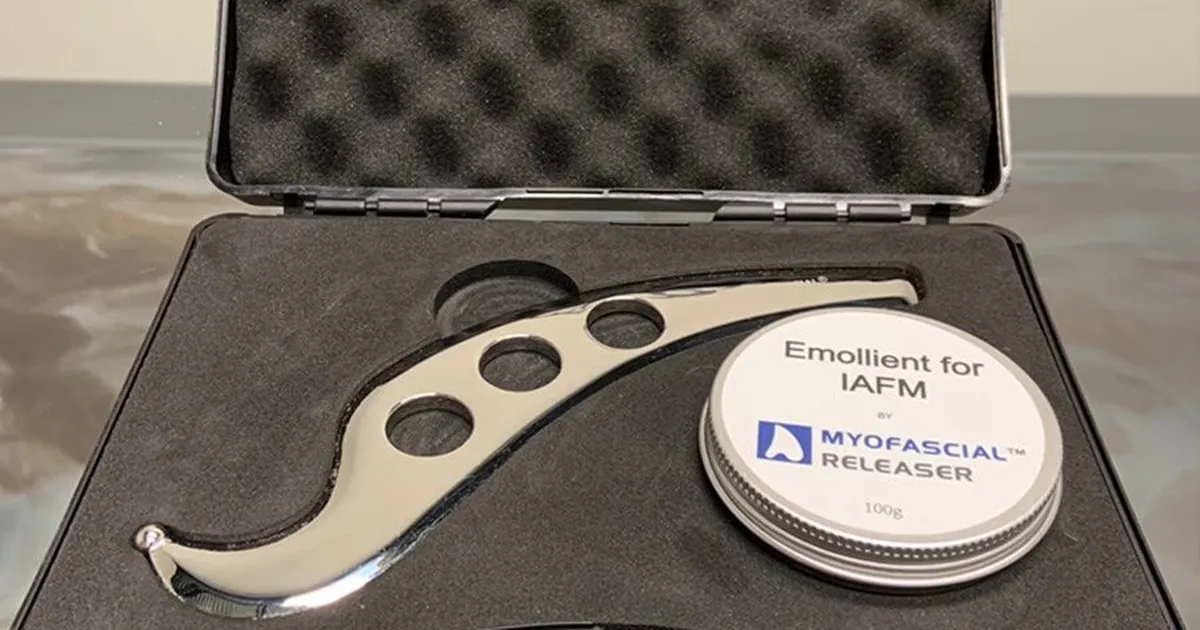
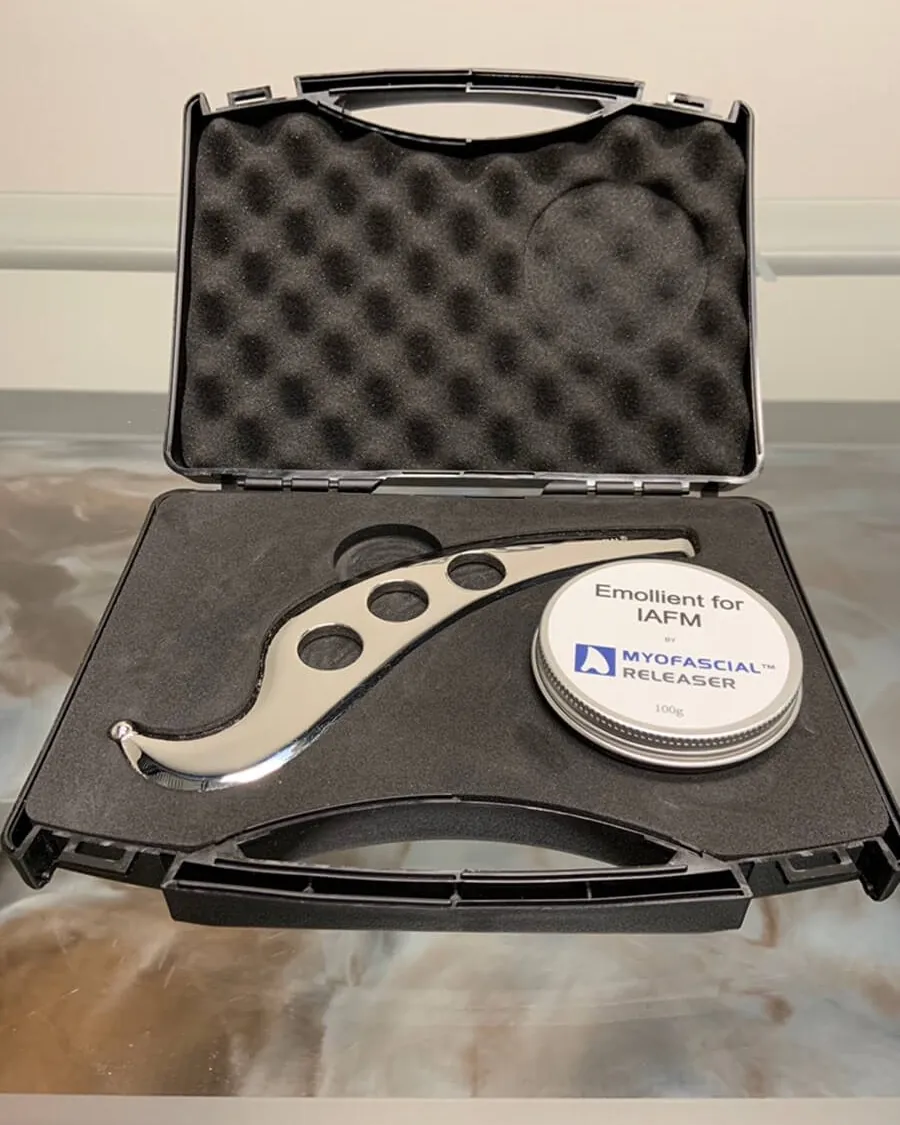
- Instrument assisted soft tissue work: a smooth stainless steel tool is used with a lubricant to apply controlled pressure over selected areas
What it feels like
Expect firm, focused pressure. Tight areas may feel tender while they are being worked on, and the skin may look pink for a short time afterward. Some people feel mild soreness for a day, similar to after a workout. Treatment should never be sharply painful, and you can always ask for lighter pressure.
What the research says
A 2021 review of eight small trials involving 375 people found that myofascial release may improve pain and physical function in chronic low back pain, but the researchers cautioned that better studies are needed. You can read the review in Frontiers in Medicine.
Who it helps
Patients often ask about this treatment for:
- Neck and upper back tightness from desk work and phone use
- Low back and hip tightness after long drives or lifting
- Shoulder and forearm tension from repetitive work or sports
- Muscle restrictions that keep coming back after adjustments
We avoid treatment over open wounds, active infections, unstable fractures or suspected blood clots, and we review blood thinners, bleeding disorders, skin conditions, circulation problems and material allergies before choosing manual or instrument work. Tell us about your health history first.
How it fits with your care
When appropriate, we may include myofascial release alongside chiropractic adjustments, electrical stimulation or therapeutic exercise, although research has not shown that every combination gives better or longer lasting results.
Call us at (502) 290-7876 to schedule a visit.
Frequently asked questions
Is myofascial release painful?
It can feel tender over tight spots, but it should not be sharply painful. Pressure is always adjusted to your comfort.
How often should I get myofascial release?
It depends on your condition. Many patients receive it as part of their regular chiropractic visits for a few weeks.
Where can I get myofascial release in Louisville?
At our office inside Optimum Health Center, 9913 Shelbyville Rd, Suite 102. Call (502) 290-7876.